
Isle of Palms
Coastal with A Southern Flair
Specializing in farmhouse, coastal, modern, country, chic, French, vintage Bohemian to traditional and much more.
 Call Now
 Set an Appointment
Home Decor Store Near Isle of Palms, SC
Whether you're in search of a particular item or need assistance in creating a seamless look for your home, Lavender & Co. Home Decor Boutique is the ideal place to discover inspiration and premium products. We cater to customers who prefer minimalist or maximalist decor, as well as those who fall somewhere in between. Our wide selection of unique home decor options is available for every season, or you can choose a timeless classic to display year-round.
Service Areas
Read More

The Lavender & Co Difference
At Lavender & Co, we believe that home decor is an extension of your personality - a part of your self-definition that shows friends and family a peek into your personal identity. That's why we work tirelessly to stock our store with a wide variety of items that appeal to just about every taste and design need that you can think of.
In fact, every member of our staff has a keen eye for aesthetics and a strong passion for design. We are dedicated to searching for high-quality inventory and unique "finds" to offer our customers a personalized shopping experience. Our boutique is a reliable one-stop shop where customers can trust that they will receive the best home decor accessories, advice, and recommendations.

Our Specialties
Our home decor store near Isle of Palms, SC, specializes in many different types of designs. In fact, we update our inventory to cater to each season. Whether you stop by for a few minutes or an hour or more, you can find a wide variety of design styles to suit your personal preferences. From traditional to modern, farmhouse to coastal, French to vintage Bohemian, we offer a diverse selection of decor for every room in your home, as well as outdoor spaces.
Our collection includes a range of high-quality, unique products
- Furniture
- Wall Hangings
- Florals
- Kitchen Linens
- Mirrors

- Canvas Art
- Living Room Decor
- Kitchen Decor
- Bedroom Decor
- Seasonal decor
- Much More!

Plus, if you're trying to find the perfect gift for your friends, family, or that special someone in your life, our home decor items make perfect gifts. Unsure where to start on your home decor journey? Our team of home design and decor experts would love to provide friendly advice and guidance, whether you're redesigning a single room or your entire home.
Our Mission
At Lavender & Co, we believe in providing quality merchandise with excellent customer service while hoping to exceed your expectations. We want to share our passion for and dedication to home interior design so you can create a space that is definitively you. That way, you can take pride in your home and experience the joy of having a place to live that you truly love.

Why Should You Decorate Your Home?
Decorating your home is one of the best parts about living in it, whether you've just moved in or have been residing there for years. The impact of a well-decorated home cannot be overstated - it can bring out the very best in you, making you more content, productive, and healthier. In addition, a tastefully decorated home can increase its resale value and make it more pleasant to live in. Your choice of decor is a reflection of your personal taste and values, so it's essential that it's both comfortable and aesthetically pleasing.
The truth is that home decoration is about much more than just creating a pretty room. It's about combining various elements contributing to your home's overall appearance. And while it may take a little time, it's worth doing so you can live in a space that's not just beautiful - it's inherently you.
Here are just a few of our favorite reasons to treat your home with decor you love.
Everyone deserves a home that brings them joy and inspiration, particularly those who spend a great deal of time there. Whether you work from home or simply enjoy spending time in your personal space, redecorating can help you cultivate an environment that truly stands out and motivates you to tackle your to-do list with a smile.

Do you remember the excitement you felt when you first moved into your new home? Although that feeling may have faded over time, there are ways to revive it. One of the best ways is to redecorate your home with a new look, and one of the best ways to achieve that new look is to shop at a home decor store near Isle of Palms, SC. At Lavender & Co, you'll find a wide array of design styles, colors, and textures to choose from, like contemporary, traditional, rustic, Bohemian, and more, to give your home a unique and stunning appearance.

It's important to have a cozy spot in your home where you can unwind and sip on a warm cup of coffee or tea. However, if your living space is dull and uninviting, it can be challenging to feel at ease. A great way to enhance the ambiance of your home and promote relaxation is by incorporating beautiful paintings on your walls. Choose pieces that resonate with you and help you feel calm and at peace. You can complement the paintings by adding scented candles or using them to add warmth and light to the area. These subtle changes to your home decor can make a significant difference in creating a soothing atmosphere.

Have you ever stopped to consider how long you've been living in your current residence? And how long have you had your furniture? It's easy not to notice how it slowly becomes worn down and faded when you see it every day. But it does, and it takes away from your home's positive aspects. When people redecorate their homes, furniture is one of the most popular options to upgrade. Fortunately, at Lavender & Co, you'll find a healthy selection of new furniture styles year-round, so you can replace old items with newer pieces that reflect your style and preferences more accurately.

If you love hosting gatherings with loved ones or friends and want to make your home stand out, consider using captivating home decor options to elevate your space. By creating a welcoming and enjoyable atmosphere, you can ensure that your guests will have a memorable experience and look forward to returning.

Common Characteristics of Popular Home Decor Styles
If you want to revamp the interior design style of your home, but you're starting fresh and don't know where to start, you may be feeling a tad overwhelmed. We get it - choosing the right style for your home can be daunting with so many different design elements. To help narrow down your selection, keep these characteristics in mind, and don't forget to visit our home decor store near Isle of Palms, SC, so you can see these styles in person!

Minimalistic
For those who appreciate a simple, understated, and clean aesthetic, exploring interior design styles such as Scandinavian, mid-century modern, Danish modern, Japandi, minimalism, or Bauhaus may be worthwhile.

Maximalist
Consider design styles like English country, Hollywood regency, or grand millennial if you're drawn to a maximalist look that incorporates chintz, pleats, tufts, and plenty of colors or patterns.
Sophisticated
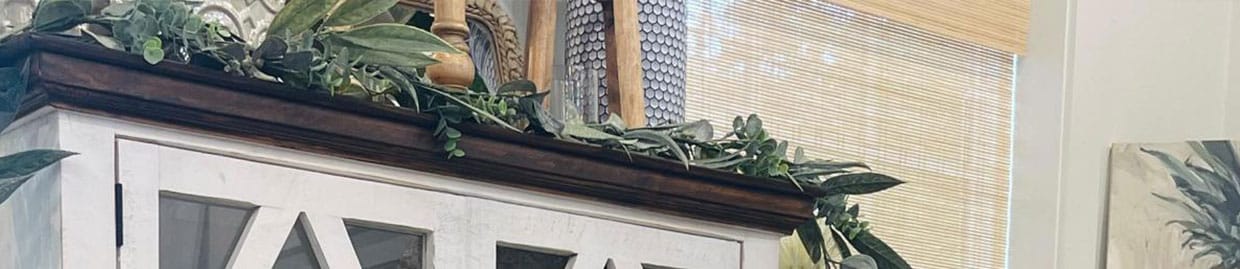
If you desire an elegant and carefully curated appearance with lavish and luxurious features, consider styles such as California casual, organic modern, transitional, modern farmhouse, or European farmhouse.

Charming
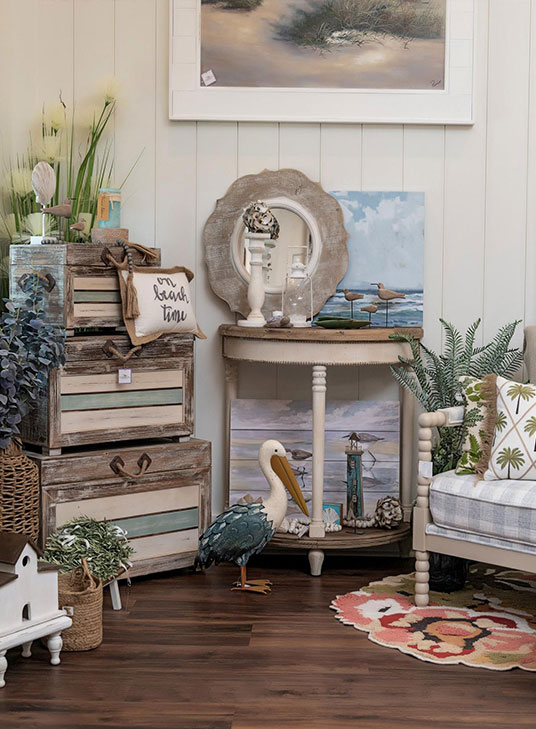
If you and your family are drawn to spaces with a charming and unique appearance, styles such as cottage, French country, island, Nancy Meyers, or coastal may be worth considering.
Colorful
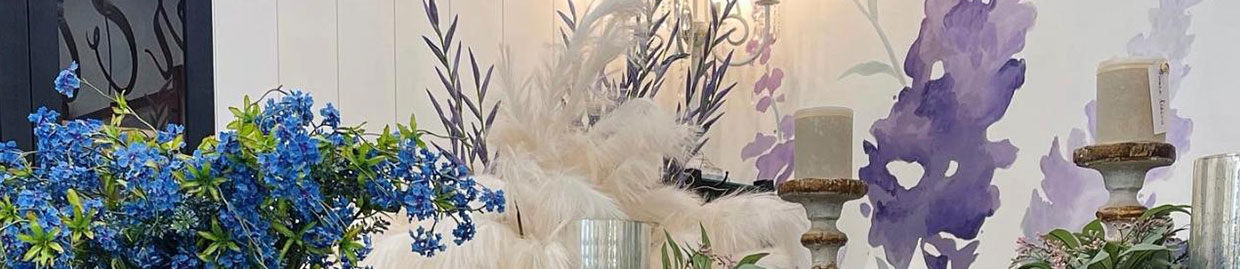
If you have a passion for vibrant and expressive decor that features unique shapes, intricate patterns, vintage touches, and an abundance of greenery, you may find yourself drawn to interior design styles such as eclectic, boho, or art nouveau.
6 Flawless Tips to Find Your Home Decorating Style
Are you having trouble selecting furniture or artwork for your home because you're unsure about your style? Do you envy your friends who seem to have no difficulty decorating their homes in a manner that suits them perfectly? Don't worry - you're not alone. At our home decor store near Isle of Palms, SC, we speak with customers daily about decor options for their homes. Many aren't sure where to start decorating or how their style has evolved over the years.
If that sounds familiar, don't fret. Here are some of our favorite tips for finding your decorating style.
When selecting textiles for your home, take note of the colors and textures that are present in your favorite clothing items. If you tend to favor neutral hues, then a neutral color palette may be the way to go. However, if you prefer bold and vibrant patterns, then opt for a similar look when it comes to your home decor.
When it comes to finding your personal style inspiration, Pinterest can be overwhelming with its vast array of /wp-content/uploads/2023/09. Instead, consider perusing through magazines and ripping out pictures of rooms and homes that you are most drawn to. There is no need to worry about being right or wrong - just pick out what you love and take note of any common themes among the /wp-content/uploads/2023/09.
As you walk through your home, take note of each room's furnishings, art, and accessories. Create two lists for each room - one for the items you love and another for those you wish to replace. Then, examine the list of items you love and identify any commonalities. Keep this list with you when you go shopping for your home to help guide your purchases and stay true to your personal style.
If you're looking to discover your home decorating style, there are plenty of quizzes available online that can help. Take a few of these quizzes to see what design styles they suggest, and if you get similar results from each one, you're likely on the right path. These quizzes can be both enjoyable and useful in pinpointing your personal style.
Do you find yourself drawn to certain types of houses when you're out and about in Downtown Charleston? Perhaps you're local to Ladson and love the classic look of a brick home nearby. Or maybe you prefer the sleek and simple design of a modern home in a big city. If you're a fan of modern homes, you may also appreciate the minimalism and clean lines that come with modern home decor. On the other hand, if traditional homes are more your style, you might enjoy classic furniture pieces like sofas with rolled arms. The bottom line? Take note of the home styles that make your heart go pitter-patter, and you'll get even closer to discovering your home decor style.
One of the best ways to find your home decor style is to take an hour or two and swing by your local home decor store. Try to choose one that offers many different home decor items and styles for sale, like Lavender & Co. While you're there, be sure to lean on staff members for help. Chances are, they're working at a home decor shop because they have a passion for decorating. Don't forget to mention the types of styles you're interested in and the colors you like. A great sales associate should be able to help lead the way from there.
Easy Ways to Keep Your Favorite Looking New
Finding the perfect piece of furniture to cap off your interior design project is a very satisfying feeling. Finally, your home decor vision is fulfilled! Now, it's time to take some time to relax and enjoy your home. At Lavender & Co, we want you to enjoy that satisfied feeling for as long as possible - which is why we want to talk about easy ways to keep your new furniture looking - well, looking new.
After you select your new furniture from our home decor store near Isle of Palms, SC, keep these timeless care tips in mind throughout the year.
Minimize Exposure to the Sun
To prevent your furniture from fading over time, it's best to keep it away from direct sunlight, especially if it's placed under windows.
- If you can't avoid placing your furniture in the sun, consider moving or rotating it regularly.
- Additionally, conditioning your leather couches frequently can help slow down the process of cracking.
- If you want to keep harmful rays out of your home, you can also try adding a window film.

Follow the Furniture's Care Labels
To ensure your furniture stays in pristine condition, it's crucial to review the care label that comes with each piece.
- This information is tailored to the item you bought and can provide essential guidance on properly caring for it.
- Even if your furniture doesn't include a care label, it's worth asking the seller for any specific care instructions to ensure you're taking the necessary steps to maintain its appearance.
- If you bought your piece of furniture from Lavender & Co Home Decor Boutique, give us a call or swing by our store for care tips specific to your new piece.

Always Protect Surfaces
What looks better in your living room than a brand-new coffee table? Unfortunately, tabletop surfaces often suffer from water stains and other damage. To prevent damage from daily use, it's important to protect your tabletop surface.
- Coasters are useful for preventing watermarks from glasses, while placemats, tablecloths, runners, or glass coverings can shield the surface from food stains and children's creative outbursts.
- Regularly cleaning with mild soap and a damp cloth, as well as dusting and polishing wooden surfaces, can help maintain their appearance.
- However, be cautious when polishing, as excessive polishing can strip the natural finish.
The Premier Home Decor Store Near Isle of Palms, SC
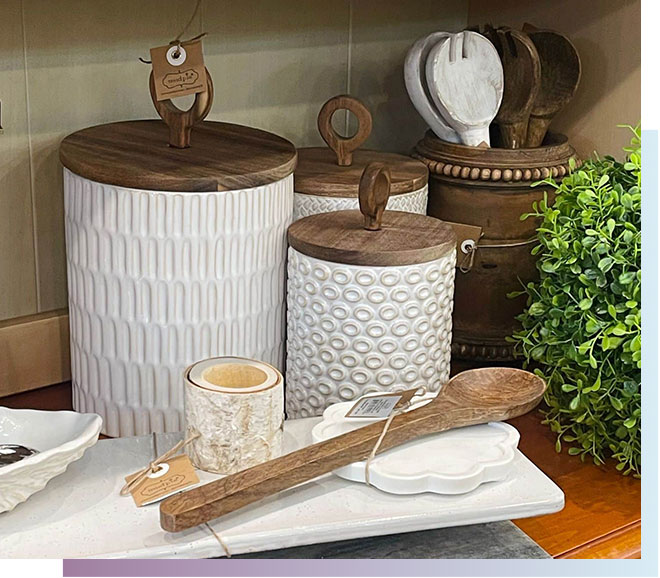
At Lavender & Co, we're passionate about providing our customers with exclusive, hand-selected home decor items that transform their living spaces from bland to beautiful. We combine unique decor for bedrooms, living rooms, entryways, kitchens, and more with a team of experienced design staff who are ready and waiting to help you find the perfect decor piece or gift for your needs. Swing by our store today and discover the Lavender & Co difference.
 Call Now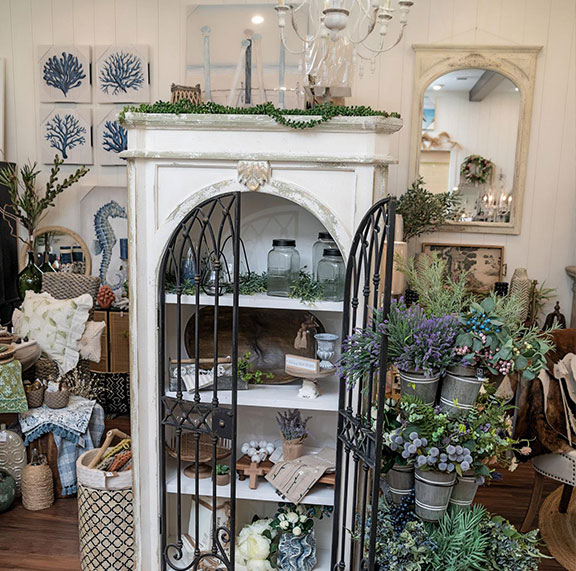
Latest News in Isle of Palms, SC
Charleston Beach Foundation calls for Isle of Palms to revoke parking plan
Sophia Radebaughhttps://www.counton2.com/news/local-news/charleston-beach-foundation-calls-for-isle-of-palms-to-revoke-parking-plan/
ISLE OF PALMS, S.C. (WCBD)- Parking on the Isle of Palms continues to be a contentious topic.Some saying that a parking plan approved by the South Carolina Department of Transportation in 2015 which established resident-only parking zones needs to be revoked.The parking plan that was approved in 2015 eliminated a significant number of free parking.The approval was unpopular among the Charleston Beach Foundation, a group that advocates for more public access to the beaches, when it was first approved.Now, this plan...
ISLE OF PALMS, S.C. (WCBD)- Parking on the Isle of Palms continues to be a contentious topic.
Some saying that a parking plan approved by the South Carolina Department of Transportation in 2015 which established resident-only parking zones needs to be revoked.
The parking plan that was approved in 2015 eliminated a significant number of free parking.
The approval was unpopular among the Charleston Beach Foundation, a group that advocates for more public access to the beaches, when it was first approved.
Now, this plan is now receiving renewed pushback.
“For Isle of Palms to eliminate parking in those right of ways is wrong to begin with and probably unconstitutional,” Parking advocate, Michael Barnett said.
Barnett, who started a petition over beach restrictions in the Lowcountry, says this parking issue has come up again after Isle of Palms voted to deny the short-term rental cap.
Barnett said, “The Isle of Palms is allowing short term rentals throughout the island, essentially making the residential only districts, commercial districts.”
Monday morning, Myra Jones with the Charleston Beach Foundation sent the City of Isle of Palms a letter, asking for the plan to be revoked, arguing IOP no longer has legitimate “residential” areas since the resolution to cap short-term rentals on the island failed.
“So, the SCDOT needs to now go back, review the 2015 parking plan, request that the Isle of Palms redo the parking plan, and they need to give back all residential only parking, they need to give back all 3,000 parking spaces that they took in 2015,” Barnett said.
Isle of Palms city council members are fighting back.
Councilman Blair Hahn providing a statement reading, “In response to Myra Jones’ letter to City council dated November 27th, 2023, full council has not had an opportunity to discuss. However, Ms. Jones’ continued attempts to characterize the Isle of Palms as not resident friendly, not tourism friendly, not visitor friendly is nonsensical. Isle of Palms provides 8 times more public beach parking than is required by the SC Beach Front Management Act and more public parking per mile of beach than any other community in South Carolina.
Ms. Jones has previously taken her grievances to the South Carolina Courts and has lost. In my opinion, this is nothing more than another attempt of Ms. Jones to ignore the laws of the State and attempt to force her will on Charleston beach communities.
IOP city council members say they plan to discuss this more in future council meetings.
Isle of Palms noise ordinance up for discussion after questions from businesses
Meredith Blairhttps://www.live5news.com/2024/02/16/isle-palms-noise-ordinance-up-discussion-after-questions-businesses/
ISLE OF PALMS, S.C. (WCSC) - Big changes could be coming to the noise ordinance on Isle of Palms as city leaders hope to make the rules more clear.The city’s noise ordinance currently doesn’t list specific limits. A proposal would establish set decibel levels based on the time and day of the week as well as the area:Isle of Palms business owners got the chance to see the numbers and ask questions on Friday.“We want them to understand that they have a voice, we want to hear from them,” Police Chief...
ISLE OF PALMS, S.C. (WCSC) - Big changes could be coming to the noise ordinance on Isle of Palms as city leaders hope to make the rules more clear.
The city’s noise ordinance currently doesn’t list specific limits. A proposal would establish set decibel levels based on the time and day of the week as well as the area:
Isle of Palms business owners got the chance to see the numbers and ask questions on Friday.
“We want them to understand that they have a voice, we want to hear from them,” Police Chief Kevin Cornett said. “Anything that is going to impact businesses we want them to be able to come to us and say what they think about it.”
One area resident, who only identified himself as Paul, says the noise ordinance needs to have a balance.
“Obviously, late at night you don’t want people making a lot of noise walking up and down the streets while residents are trying to go to bed, but at the same time this is a vacation spot, so you have to have a little bit on leeway for people to enjoy themselves but also be respectful,” he said.
Cornett says they’re working to find a solution that will work for businesses and residents and increase livability for everyone.
Cornette says noise is a hot topic on the island and he values feedback on this from both residents and business owners.
“Everybody is very much invested in this conversation,” Cornett said. “The city council is taking it very seriously and they are going around and talking to people to get their input. So, I think they are doing a great job on making sure voices are heard so that when we get the final project it’s fair and something that will work for everybody.”
Officers use a calibrated decibel reader when called out to a noise complaint.
“That’s how we determine if it’s a violation and then we would take other factors into account like background noise to keep the realistic approach to is as well,” Cornett said.
The public safety committee has to create a final draft before it will head to the city council for two separate readings.
Copyright 2024 WCSC. All rights reserved.
DHEC takes Isle of Palms seawall fight to court
Erin Morganhttps://www.counton2.com/news/the-investigators/dhec-takes-isle-of-palms-seawall-fight-to-court/
ISLE OF PALMS, S.C. (WCBD) — The ongoing conflict between the South Carolina Dept. of Health and Environmental Control (DHEC) and a homeowner on the Isle of Palms has now gone to court.After storms in August and December 2023 led to significant beach erosion, Rom Reddy, an oceanfront property owner, took matters into his own hands by building a wall to prot...
ISLE OF PALMS, S.C. (WCBD) — The ongoing conflict between the South Carolina Dept. of Health and Environmental Control (DHEC) and a homeowner on the Isle of Palms has now gone to court.
After storms in August and December 2023 led to significant beach erosion, Rom Reddy, an oceanfront property owner, took matters into his own hands by building a wall to protect his property near Breach Inlet from beach erosion.
However, earlier this month, DHEC officials told News 2 that anything built on critical areas of the coast, like beaches, needs a permit. They added that after investigating Reddy’s wall, they issued Reddy and the contractor cease and desist directives because it was an “unauthorized structure.”
However, DHEC officials said Reddy’s work on the wall continued even after the directives were issued.
Now, attorneys for DHEC have taken the battle to court, filing a temporary restraining order (TRO) and petition for injunctive relief in South Carolina Administrative Law Court.
“Due to the Respondents’ egregious disregard of OCRM’s Notice to Comply and the two Cease and Desist Directives, the Department has no adequate remedy at law other than to seek judicial intervention to compel the Respondents to immediately cease their unauthorized actions in the critical area,” the court filing reads.
This week, Reddy’s lawyers responded to the agency’s court filings requesting that the judge deny the motion for a TRO and petition for injunctive relief.
Reddy’s lawyers argue that his wall is not located in a critical area and that DHEC lacks the subject matter jurisdiction to issue the cease and desist in the first place. “In issuing these directives, Petitioner [DHEC] is unilaterally and unfairly extending its jurisdiction to convert private property into a public beach,” the court filing reads.
They also say that the cease and desist is a moot point because no ongoing work was being done when DHEC filed the TRO. “Petitioner [DHEC] seeks a TRO and injunctive relief to allegedly stop Respondents from ‘continuing to install a hard erosion control structure adjacent'” to the Property. As of the date of this filing, no ongoing work is being done on the Property: therefore, Petitioner’s cease-and-desist directives are moot,” they wrote.
Reddy’s attorneys also filed a countersuit against DHEC and the city of Isle of Palms with several claims, including that they violated Reddy’s constitutional rights. “DHEC has engaged in actions and inactions that have converted Respondents· private property into a public beach without justcompensation in violation of the South Carolina Constitution and the United States Constitution,” they argue.
Reddy’s attorneys also claim that DHEC and Isle of Palms leaders failed to maintain the beach near his property. In the court filing, they write, “DHEC also fails to note that prior to the Idalia storm damage, in June of 2023, Respondents sent various letters and notices of the vulnerability of the Isle of Palms properties due to improper beach renourishment by Isle of Palms and Petitioner [DHEC].”
Reddy’s lawyers also requested the case be moved to circuit court for a jury trial.
News 2 reached out to Reddy for comment about the court filings. In a statement, he said “state jurisdiction over private property is set by the SC General Assembly and last approved in 2018. DHEC, a state agency has illegally taken upon itself the task of claiming jurisdiction property by property based on a single storm. This provides Government unlimited and varying jurisdiction over private land. This is unconstitutional and will not stand”.
When News 2 asked DHEC for comment, an agency spokesperson responded “DHEC doesn’t comment on pending litigation. DHEC’s Petition For Injunctive Relief and Motion for TRO and Preliminary Injunction explain in detail the Department’s position.”
The Chief Administrative Law Judge has set a hearing date on April 18 for DHEC’s motions. Both Reddy and DHEC will present their evidence at this time.
Whose beach is it? Isle of Palms homeowner, state at odds over unauthorized 'sea wall'
Anna Sharpe asharpe@postandcourier.comhttps://www.postandcourier.com/news/illegal-seawall-isle-of-palms-iop-dhec-rom-reddy/article_f7ec7734-c6b3-11ee-a134-8b6c56b6ff22.html
ISLE OF PALMS — Record tides from an unexpected nor'easter in December ripped away several feet of sand on this barrier island, exposing an unauthorized, clandestine wall in front of a beachfront home near Breach Inlet.The wall's unveiling also spawned a power struggle between the state Department of Health and Environmental Control and the Ocean Boulevard homeowner, with the two at odds over property rights and protecting the diminishing shoreline....
ISLE OF PALMS — Record tides from an unexpected nor'easter in December ripped away several feet of sand on this barrier island, exposing an unauthorized, clandestine wall in front of a beachfront home near Breach Inlet.
The wall's unveiling also spawned a power struggle between the state Department of Health and Environmental Control and the Ocean Boulevard homeowner, with the two at odds over property rights and protecting the diminishing shoreline.
SC Climate and Environment News
This is all playing out on a sandy beach where waves are clawing closer to multi-million dollar homes amid heavy erosion caused by storms and high tides.
The home at the center of the dispute belongs to Rom Reddy, owner of the multimedia local news outlet MyLo News. After taking a beating from Hurricane Idalia last year, Reddy said he installed the wall as a erosion control barrier and covered it with 30 feet of sand.
The December nor'easter washed away the sand, uncovering the bulwark.
While performing post-storm damage assessments, DHEC became aware of the structure.
Some call it a sea wall, which the state defines as a retaining wall designed to withstand wave forces. Reddy maintains his wall isn't a sea wall, as it was never meant to be exposed to the ocean. It was meant to be buried beneath the sand to protect his home's foundation and yard, he said.
"This keeps my yard stable and keeps it from moving around, which is what a retaining wall does. If we have a catastrophic event, it gives my property some protection, although a very nominal level, because it's not meant to be ocean facing," Reddy said.
Reddy said the nor'easter left the wall tilting and unstable, prompting him to have it rebuilt. In response, DHEC sent a cease-and-desist letter in January to halt the construction.
Cease he did not. Construction on the wall continues to move full steam ahead and shows no sign of slowing down.
Reddy said it is his right as a property owner to protect his home. The area landward of the setback line is his to do with as he pleases, he said, citing South Carolina's Coastal Tidelands and Wetlands Act.
Not so, according to DHEC's division of Ocean and Coastal Resource Management.
The sand in front of Reddy's property is considered a critical area, the agency said, and any alteration of a critical area requires permits from OCRM, even critical areas that are landward of the jurisdictional setback.
DHEC spokesperson Laura Renwick said the agency regularly issues permits for work in these areas, though it is unlikely Reddy's wall would have been approved.
"Since erosion control structures and devices such as the one identified at this property have been banned per state law since 1988, this structure would not have been permitted," Renwick said.
Today's Top Headlines
Isle of Palms officials said they are aware of the structure, which violates a city ordinance prohibiting hard erosion control measures like sea walls, bulkheads and revetments. But in the case of Reddy's unauthorized structure, the city said its hands are tied. Jurisdiction of that area, and much of the island's critical areas, fall under DHEC, said Mayor Phillip Pounds.
"In this particular case, the OCRM has claimed jurisdiction, so that takes the city out of the mix, and it is up to them to enforce the state-level rules. We are relying on the state to enforce their rules that prevent structures like this being built per their cease-and-desist orders," Pounds said.
Judges in two cases in recent years have sided with homeowners who built walls or placed sandbags along eroding sections of the South Carolina coast.
While Reddy is facing pushback from DHEC, some of his neighbors are behind him. Paul Jorgensen, who owns the property adjacent to Reddy, said he doesn't love what is being erected next door, but he understands his neighbor's mindset. Working with the city and the state to get approval for protective measures has left him feeling frustrated.
"The city and the state have been utterly horrible at handling the situation. Not only have they been utterly horrible at managing, they won't even let us help ourselves," Jorgensen said.
Jorgensen said the preventative measures the city does take on aren't enough.
Ongoing restoration and protection efforts on the island include continuing sand scraping and sandbag placements on the island that began under an emergency order following Hurricane Idalia in September. City Council gave the efforts a boost in October, allotting $1.25 million to continue sand scraping along the beaches to rebuild the dunes. Council also budgeted $250,000 for installing sandbags on properties within 20 feet of erosion areas.
"The city and the state are not doing nearly enough, and, in fact, are preventing homeowners from protecting our own property," Jorgensen said.
South Carolina hasn't allowed structures like Reddy is building since enacting the Beachfront Management Act in 1988, citing a "false sense of security" the measures give to beachfront property owners while simultaneously aiding in further erosion.
Structures like sea walls block the ability of a wave to break naturally, pushing its force onto adjacent properties. The energy bounces back off of the wall, pulling the sand and eroding the beach on the seaward side. Emily Cedzo, director of conservation programs and policy for the Coastal Conservation League, said softer measures for preventing erosion, like sand fencing and larger restoration projects, are ideal for protecting beaches.
"Those are really the ideal ways to manage a beach responsibly so that it can provide good protection for private properties, but also public access and wildlife habitat," Cedzo said.
With multiple cease-and-desist directives, DHEC could begin to dole out fines or penalties.
"When DHEC identifies violations of applicable state laws or regulations, the agency has the authority to initiate an enforcement process that may result in the issuing of a civil penalty to the responsible party, among other actions," Renwick said.
Some think it's time for DHEC to take action.
"I think DHEC is going to have to move forward with enforcement. I don't know what their process or timeline looks like, but I think it's clear that they've already tried to communicate with the property owner," Cedzo said. "I know that several residents on the Isle of Palms are really concerned about it and continue sending reports."
Reddy said the cease-and-desist directives from DHEC won't deter him.
"They have to go in front of a judge and prove to the judge that we're, in fact, breaking the law. And we're ready for that," Reddy said.
Reach Anna Sharpe at 843-806-6790.
Fees at new waterfront park on Isle of Palms are being questioned by non-residents
Sophia Radebaughhttps://www.counton2.com/news/local-news/fees-at-new-waterfront-park-on-isle-of-palms-are-being-questioned-by-non-residents/
Editor’s note: This story has been updated to include additional information from the city, including the fact that IOP city does not set prices for the new park area.—ISLE OF PALMS, S.C. (WCBD) – Construction is underway on a new Isle of Palms waterfront space that will include a pier and other amenities.Chaundra Yudchenko, who serves as the city’s public relations and tourism coordinator, said the Isle of Palms Public Dock Renovation Project will include a new 16-foot-wide pier with swings and b...
Editor’s note: This story has been updated to include additional information from the city, including the fact that IOP city does not set prices for the new park area.
—
ISLE OF PALMS, S.C. (WCBD) – Construction is underway on a new Isle of Palms waterfront space that will include a pier and other amenities.
Chaundra Yudchenko, who serves as the city’s public relations and tourism coordinator, said the Isle of Palms Public Dock Renovation Project will include a new 16-foot-wide pier with swings and benches.
The project also includes a floating dock with American Disabilities Act (ADA) compliant kayak and stand-up paddleboard launching.
Yudchenko said the public dock is not intended to be used for boat mooring; it will be available to the public for recreational use and passive water activities.
Construction of the public dock is set to begin in March with completion in May.
It’s all part of a 2020 vote by Isle of Palms City Council to improve the island’s marina area.
And while some are excited to have a new area to spend time with their family, others are concerned about potential costs.
“It’ll be nice to have something to bring the grandchildren over to and stuff like that- so, it’ll be nice,” said part-time resident, Dale Johns.
The project is an investment city council member Blair Hahn said was expensive but well worth it.
“The city has gone to great expense to redo the dock and we’re going to have a little green space,” Hahn said.
However, a visit to the park could cost more for non-residents. The plan is to charge visitors for parking and to launch a boat from the public dock. The cost to park is $3.50 per foot of the trailer plus a utility fee per day.
The private marina operators set fees for the new park area – they are not set by the city.
One non-resident who wanted to stay anonymous said many people are upset about this part of the plan. “The city is granting its residents special parking privileges and charging nonresidents exorbitant fees, all while calling this a “public dock.”
Hahn says fees for accessing public parks are nothing new in Charleston.
“It’s no different than Charleston County Park. They charge $20 a car to park on the island so unfortunately, that’s just a reality,” Hahn said.
The nonresident went on to say not everyone will be able to pay the fees.
“The city of Isle of Palms needs to treat residents and nonresidents the same at its “Public park” and charge everyone a fair amount, or allow free parking for everyone,” they said.
The city, according to Yudchenko, has not discussed implementing any feeds for the use of the public dock.
“Marina docks, boat launch fees, and The Outpost marina store are managed by Coastal Marinas, which is a tenant of the city. Fees for boat launching, dockage, and storage are determined by the marina tenant,” said Yudchenko.
Despite the concern, Hahn believes the park will still serve as a popular meeting spot for locals and visitors.
“We are doing everything we can to be resident-friendly and visitor-friendly and to bring people to Isle of Palms, but there’s always a cost to everything you do,” Hahn said.
Additionally, Yudchenko said the city is working with the marina restaurant, Islander 71, on a new parking layout to “increase the number and efficiency of parking spaces available to residents, visitors, and restaurant customers.”
The project is expected to be completed by May of this year.
Disclaimer:
This website publishes news articles that contain copyrighted material
whose use has not been specifically authorized by the copyright owner.
The non-commercial use of these news articles for the purposes of local news
reporting constitutes "Fair Use" of the copyrighted materials
as provided for in Section 107 of the US Copyright Law.